J
O
B
V
O
O
J
O
B
V
O
O
J
O
B
V
O
O
J
O
B
V
O
O

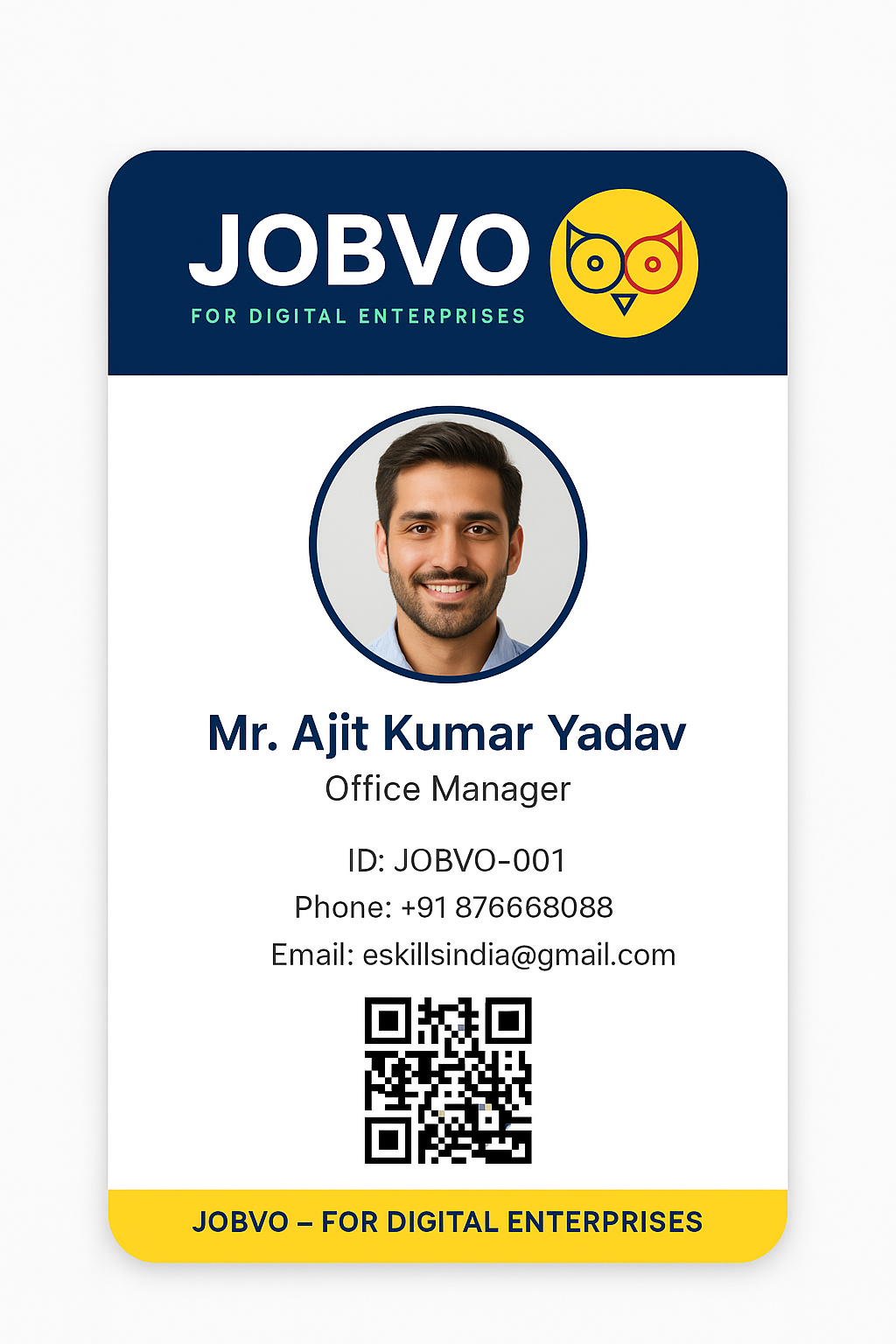
In today’s fast-moving world, where security, recognition, and quick verification are essential, identity cards (ID cards) have become a basic requirement for every institution, event, and organization. Whether it is a school, a government office, a corporate company, or even a social event like a conference or marriage function, identity cards play a vital role in establishing authenticity.
This article explores what an identity card is, why it is important, different types of identity cards trending in the market, their sizes and shapes, patterns and designs, and the areas where they are needed regularly. If you are a business, institution, or service provider looking for insights, this detailed guide will help you understand the growing significance of ID cards.
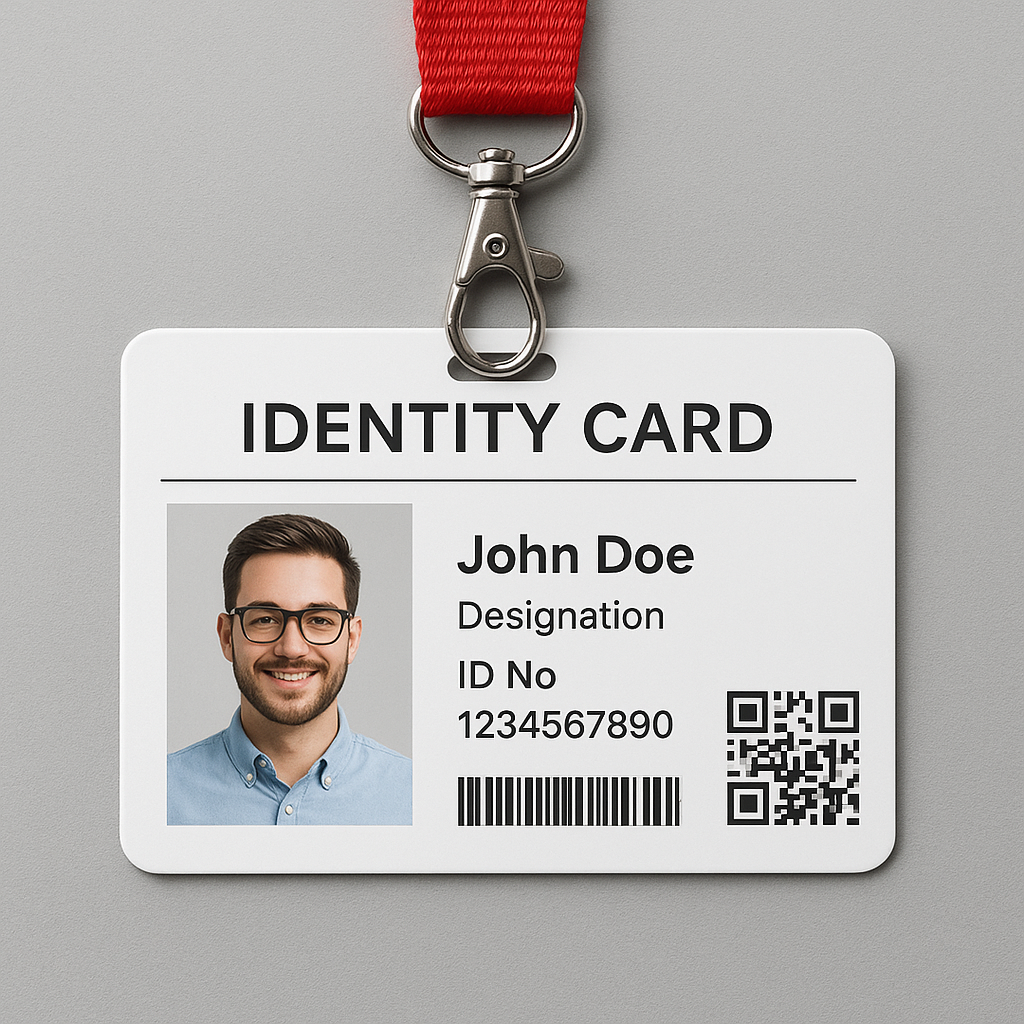
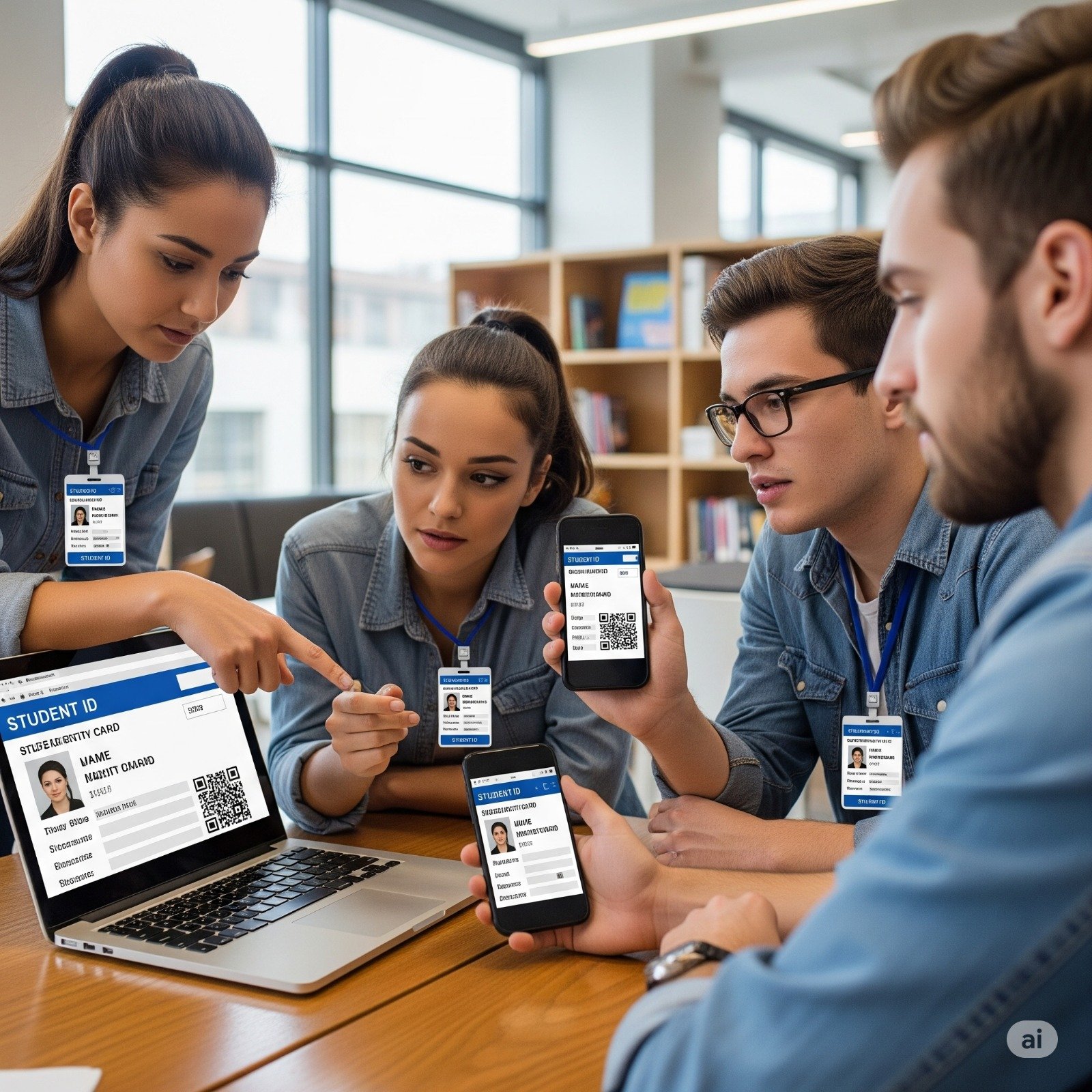
An identity card is a small, portable card issued by an institution, organization, or authority that contains essential details about the person or entity it represents. It usually carries the person’s name, photograph, designation, and unique information such as ID number, barcode, or QR code.
In simple terms, an identity card is proof of "who you are" in a specific place or system. It can be a student ID card, employee ID card, government-issued Aadhaar card, voter ID, or even temporary event entry passes.
Most modern ID cards are made of PVC (Polyvinyl Chloride) or plastic material for durability, and they often come with security features like holograms, micro text, magnetic strips, or QR codes.
Identity cards are not just pieces of plastic or paper – they carry functional, social, and security value. Let’s analyze why they are so important:
One of the biggest reasons institutions adopt ID cards is safety. Whether it is a school, hospital, office, or government building, unauthorized entry can create risks. ID cards help in identifying genuine members and restricting outsiders.
Imagine a workplace with hundreds of employees or a school with thousands of students. It becomes nearly impossible to recognize everyone. ID cards make identification quick and effortless.
For companies and institutions, ID cards act as a branding tool. A well-designed card with the company logo reflects professionalism and discipline.
Modern ID cards with barcodes or RFID chips are linked with digital systems that help in attendance tracking, time management, and visitor records.
In events like conferences, exhibitions, or weddings, identity cards or passes help organizers maintain order, avoid gatecrashing, and provide personalized experiences.
ID cards often carry emergency contact details, blood group, or special health conditions. In emergencies, this information becomes life-saving.
The market for identity cards has expanded rapidly. Institutions and individuals are looking for both functional and stylish designs. Let’s explore the trending types:
Globally, identity cards follow standard sizes, but customization is becoming popular.
The design of ID cards has evolved from plain and simple to modern and creative. Here are some design trends:
The demand for ID cards is not limited to one sector. Here’s an analysis of where they are regularly needed:
The identity card industry is moving towards digital-first solutions:
This shift shows that while the physical card will remain relevant, it will be increasingly integrated with digital technology.
Identity cards are no longer optional – they are a necessity across all sectors. From a child’s first school ID to an employee’s office badge or a visitor’s event pass, identity cards ensure security, recognition, professionalism, and trust.
The industry is moving fast with smart, stylish, and customized designs that are not only functional but also reflect identity and branding. Institutions and event organizers must invest in professional identity card systems to stay updated with trends and ensure smooth operations.
So next time you wear your ID card around your neck or slip it into your wallet, remember – it is more than just a card; it is your identity, your access, and your security.




 Phone:
63770 00460
Phone:
63770 00460
 Email:
info@jobvoo.com
Email:
info@jobvoo.com
 Location:
1C-51, Narayan Vihar, Gopalpura By Pass, Jaipur, Rajasthan, INDIA - 303006
Location:
1C-51, Narayan Vihar, Gopalpura By Pass, Jaipur, Rajasthan, INDIA - 303006